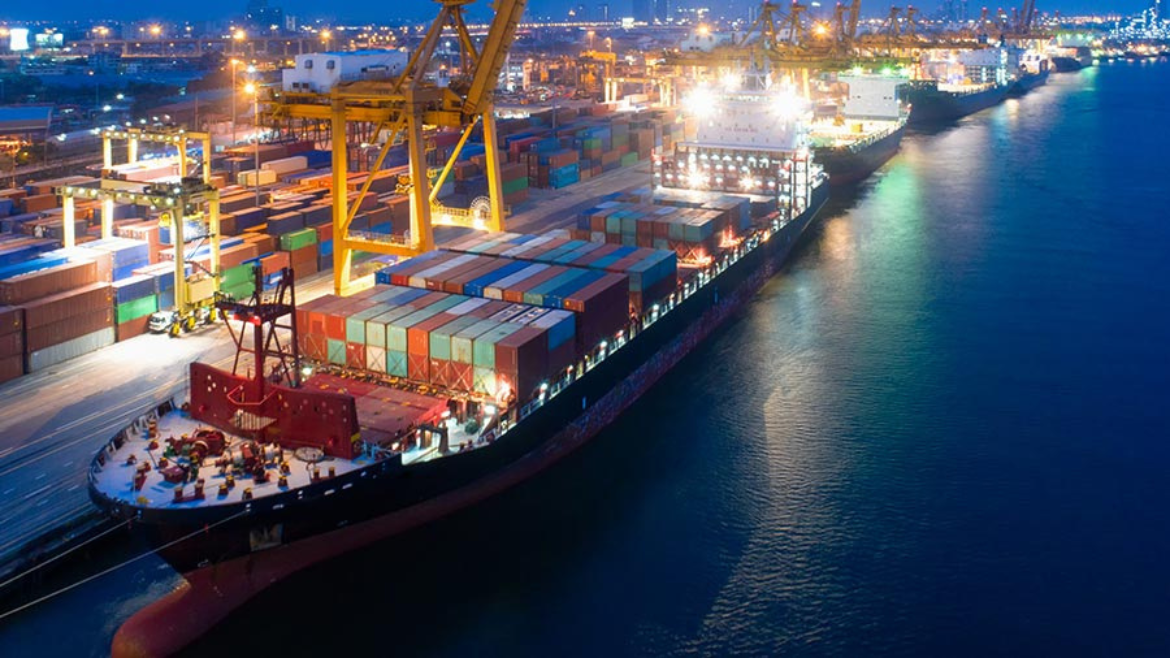
When it comes to moving large volumes of goods across continents, ocean logistics transport stands as the most cost-efficient and widely used solution. Handling nearly 90% of global trade, sea freight connects producers and consumers across the world by transporting bulk commodities, raw materials, and manufactured products. From container ships to oil tankers, ocean transport forms the backbone of international commerce.
What is Ocean Logistics Transport?
Ocean logistics transport refers to the shipping of goods via cargo vessels across seas and oceans. It includes a wide range of operations, such as containerized shipping, bulk cargo, liquid transport, port handling, customs clearance, and warehousing. Unlike air freight, which focuses on speed, ocean logistics prioritizes capacity and cost-effectiveness.
Importance of Ocean Freight in Global Supply Chains
-
Massive Cargo Capacity
Ocean vessels can carry thousands of containers, making them ideal for heavy and bulk shipments. -
Cost-Effectiveness
Sea freight is significantly cheaper than air transport, especially for long-distance international trade. -
Global Reach
With well-established shipping routes and ports worldwide, ocean transport connects almost every market. -
Diverse Cargo Handling
From cars and electronics to crude oil, chemicals, and agricultural products, ocean freight supports every major industry.
Challenges in Ocean Logistics
-
Longer Transit Times: Sea freight is slower compared to air transport.
-
Port Congestion: Overcrowded ports can cause shipment delays.
-
Regulatory and Customs Issues: International shipping often involves complex compliance requirements.
-
Environmental Impact: Ocean shipping contributes to marine pollution and greenhouse gas emissions.
Emerging Trends in Ocean Logistics Transport
-
Digital Shipping Solutions
Blockchain, IoT, and smart tracking systems are making international shipping more transparent and reliable. -
Eco-Friendly Vessels
Shipping companies are adopting greener practices, including LNG-powered ships and emission-reducing technologies. -
Automation in Ports
Smart ports with automated cranes and AI-driven logistics systems are increasing efficiency. -
Containerization Growth
Standardized containers have revolutionized ocean transport, making it faster, safer, and easier to handle cargo globally.
Conclusion
Ocean logistics transport is the foundation of international trade, enabling the movement of massive cargo volumes at an affordable cost. While challenges such as slow transit times and environmental concerns remain, advancements in technology and sustainable shipping are transforming the industry. As global trade continues to expand, ocean freight will remain the most vital and dependable mode for transporting goods across continents.
Leave a reply