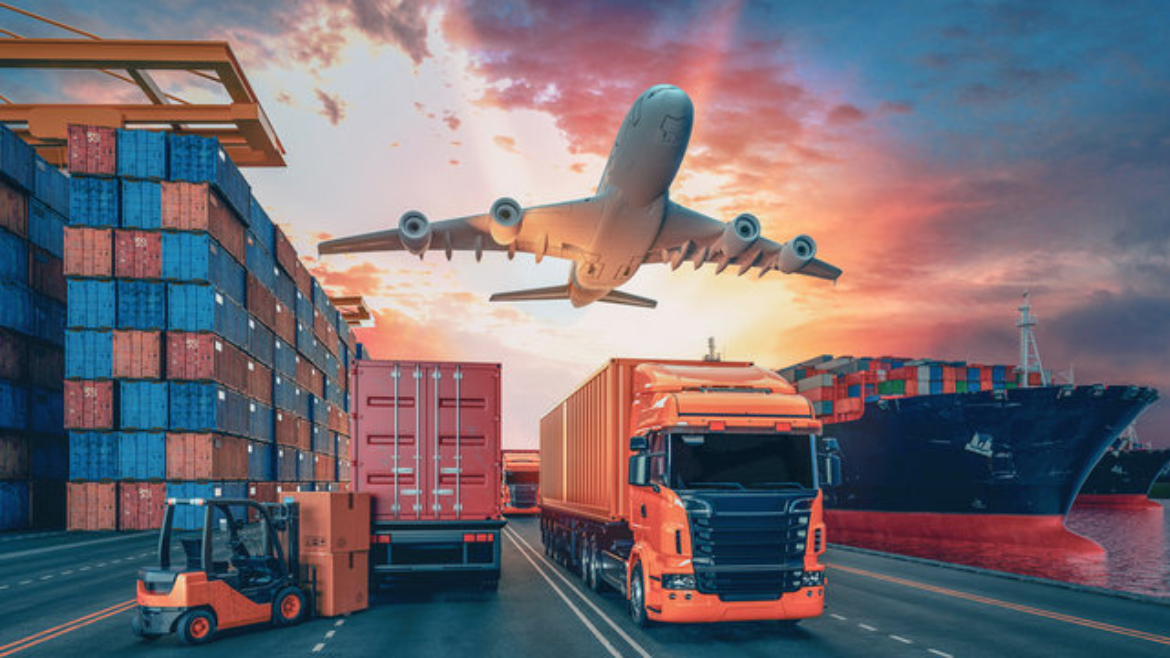
In today’s interconnected world, global logistics plays a vital role in keeping businesses, industries, and economies moving. From delivering raw materials to manufacturers, to shipping finished products across continents, logistics has become the backbone of global trade and commerce. With the rapid rise of e-commerce, technological innovation, and global supply chains, efficient logistics solutions are more critical than ever.
What is Global Logistics?
Global logistics refers to the management and coordination of the flow of goods, services, and information across international borders. It involves planning, implementing, and monitoring the movement of shipments through multiple modes of transport, such as air, sea, road, and rail. Beyond physical transportation, it also includes warehousing, inventory management, packaging, customs clearance, and supply chain optimization.
The Importance of Global Logistics
-
Enabling International Trade
Without logistics, the exchange of goods across borders would not be possible. Global logistics ensures that businesses can source raw materials from one country, manufacture in another, and distribute worldwide. -
Boosting Economies
Efficient logistics networks support global economies by improving export competitiveness and reducing costs for importers. Countries with robust logistics infrastructure attract more trade and investment. -
Supporting E-Commerce Growth
The boom in online shopping has placed logistics at the center of customer satisfaction. Consumers expect fast and reliable delivery, even when products are shipped internationally. -
Disaster Recovery and Humanitarian Aid
Global logistics is not limited to business. It is equally important in delivering food, medicine, and relief supplies during natural disasters, pandemics, or conflicts.
Key Challenges in Global Logistics
-
Customs and Regulations: Each country has different policies and compliance requirements, making cross-border trade complex.
-
Rising Fuel Costs: Transportation costs directly impact shipping and freight charges.
-
Global Supply Chain Disruptions: Events like pandemics, political instability, and port congestion can delay shipments worldwide.
-
Sustainability Concerns: The logistics industry faces increasing pressure to reduce carbon emissions and adopt eco-friendly practices.
Emerging Trends in Global Logistics
-
Digitalization and Automation
Technologies like AI, IoT, blockchain, and robotics are revolutionizing logistics by improving efficiency, transparency, and real-time tracking. -
Green Logistics
Companies are adopting sustainable practices such as electric vehicles, optimized routes, and eco-friendly packaging to reduce environmental impact. -
Third-Party Logistics (3PL) and Fourth-Party Logistics (4PL)
Businesses are outsourcing logistics to specialized providers to streamline operations and focus on their core competencies. -
Resilient Supply Chains
Companies are diversifying suppliers and transport routes to avoid disruptions and ensure continuity.
Conclusion
Global logistics is much more than moving goods from point A to point B. It is a strategic enabler of global commerce, customer satisfaction, and economic growth. As the world becomes increasingly connected, businesses that embrace innovation, sustainability, and efficient logistics solutions will be the ones that thrive in the competitive global marketplace.
2 Comments
admin
Explain to you how all this mistaken idea of hovered link and praising pain was born and I will give you a complete account of the system expound the actual teachings
admin
Explain to you how all this mistaken idea of hovered link and praising pain was born and I will give you a complete account of the system expound the actual teachings
Leave a reply